Selecting the right fertilizer is crucial for maximizing crop yields. Research indicates that optimal fertilizer use can enhance productivity by up to 30%. In today's agricultural landscape, farmers face challenges like soil degradation, water scarcity, and climate change. Thus, understanding how to choose the right fertilizer for crops becomes essential for sustainable farming.
Soil testing is a critical step. It helps determine nutrient deficiencies and pH levels. A 2021 report by the International Fertilizer Association emphasizes that customized fertilizer solutions yield better results compared to generic options. In addition, applying the right type and amount of fertilizer prevents overapplication. Excessive use not only wastes resources but can also lead to soil and water pollution.
Farmers must also consider crop type and growth stage. Specific crops have unique nutritional needs. For instance, nitrogen is vital during early growth phases, while phosphorus is crucial for root development. Reflecting on these factors can significantly improve the decision-making process in fertilizer selection, ultimately contributing to a more resilient agricultural future.
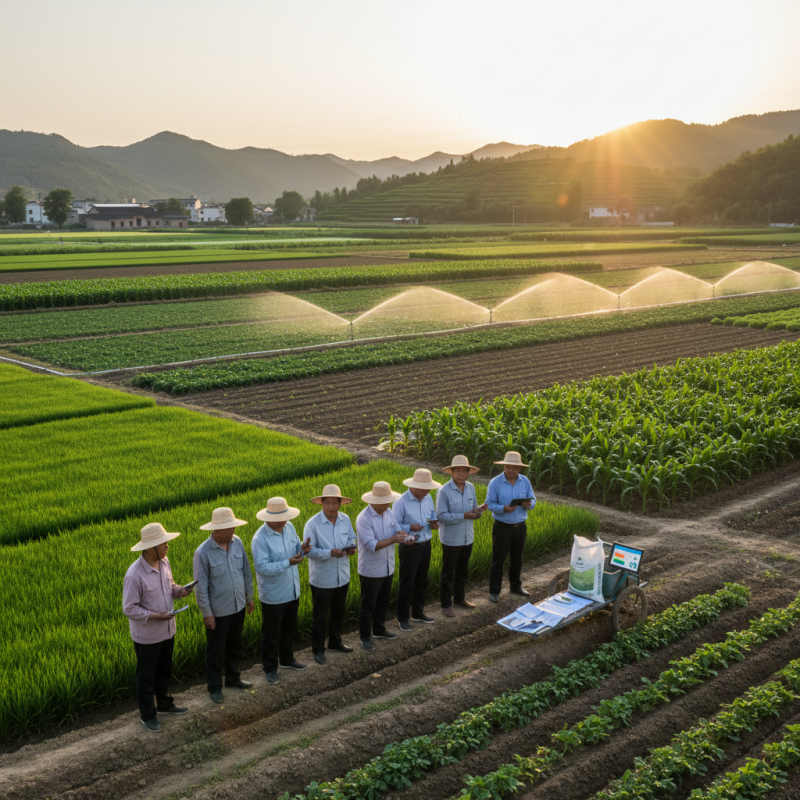
Fertilizer plays a crucial role in crop production. It enhances soil fertility and provides necessary nutrients. According to the Food and Agriculture Organization (FAO), crop yields can increase by 20-30% with proper fertilizer application. Understanding soil needs is vital for farmers. Too much fertilizer can harm crops and soil health.
Different crops require different nutrient ratios. Nitrogen, phosphorus, and potassium are key elements. A 2018 report showed that nitrogen contributes to 50% of crop yield increases. Proper analysis of soil composition ensures farmers choose suitable fertilizers. However, many farmers overlook soil testing. This can lead to imbalanced application and wasted resources.
Sustainability in fertilizer use is also essential. Over-reliance on synthetic fertilizers can lead to soil degradation. Implementing organic fertilizers can enhance long-term soil health. Sustainable practices should be a priority. They contribute to a healthier ecosystem and better crop resilience. Balancing immediate yield with future soil health is a critical concern.
Identifying soil nutrient needs is crucial for successful crop production. Farmers often overlook this essential step. Soil testing reveals nutrient deficiencies and pH levels. These insights guide fertilizer choices. Regular testing helps to maintain soil health over time.
Farmers can analyze samples from different areas of a field. Each location may have unique nutrient needs. Results will show specific deficiencies. For instance, a low nitrogen level can stunt plant growth. Adjusting fertilizer based on data can greatly improve yields.
However, the testing process has its challenges. Not every farmer has the tools or knowledge to conduct tests. Misinterpretations of results can occur. It’s essential to consult with soil experts. Seeking professional help ensures accurate readings. Reflection on soil management practices can lead to better outcomes over time.
When choosing the right fertilizer for crops, understanding the differences between organic and synthetic options is crucial. Organic fertilizers come from natural sources. They improve soil health over time. These products enhance microbial activity, promoting plant growth. Common examples include compost, manure, and bone meal. They gradually release nutrients, making them less likely to cause nutrient burn. However, their effectiveness can vary based on environmental conditions.
On the other hand, synthetic fertilizers are chemically manufactured. They provide quick nutrient availability, which can be beneficial for rapid growth cycles. These fertilizers often contain essential nutrients like nitrogen, phosphorus, and potassium in concentrated forms. While they can yield immediate results, overuse may harm soil structure and microbial life. The reliance on synthetic options can lead to diminishing returns in soil fertility.
Choosing the right fertilizer involves weighing these pros and cons. Observing crop response can guide decisions. It’s essential to remember that balance is key. Some farmers find success combining both types. Experimentation can help determine the best approach for specific crops and soil conditions, though it requires ongoing assessment and adaptation.
| Type of Fertilizer | Nutrient Composition | Advantages | Disadvantages | Best For |
|---|---|---|---|---|
| Organic Fertilizer | NPK (Nitrogen, Phosphorus, Potassium) varies | Improves soil health, eco-friendly | Slower nutrient release, higher cost | Sustainable farming, gardens |
| Synthetic Fertilizer | High NPK concentration | Quick nutrient availability, lower cost | Can harm soil biology, leaching risks | High-yield crops, large-scale farming |
| Liquid Fertilizer | NPK available in liquid form | Easily absorbed, suitable for foliar application | Requires careful application, can wash away | Fast-growing crops, hydroponics |
| Slow-Release Fertilizer | Controlled release of nutrients | Reduced risk of nutrient leaching | Higher initial cost, slower response time | Long-term crops, landscaping |
Choosing the right fertilizer for crops is crucial for optimal yield. Farmers should consider several factors. Soil type plays a significant role; for example, sandy soils may need more frequent, lower doses of nutrients. According to the Food and Agriculture Organization (FAO), heavy clay soils require fertilizers with slow-release properties to prevent nutrient leaching.
Crop type is another critical factor. Corn, for instance, thrives on high nitrogen levels. Research indicates that a nitrogen rate of 150-200 kg/ha can maximize growth. In contrast, legumes need less nitrogen due to their ability to fix atmospheric nitrogen. The application method also matters; soil tests can guide whether broadcasting or banding is more effective. This approach not only ensures nutrient efficiency but also reduces wastage, aligning with sustainability goals.
Weather conditions and timing cannot be overlooked. Rainfall patterns affect nutrient uptake. Fertilizer application before heavy rains can lead to runoff. In these scenarios, careful planning is essential. A fertilization strategy should be flexible, adapting to real-time weather data. Monitoring crop responses is also vital, as it allows for adjustments based on performance and nutrient utilization.
When it comes to applying fertilizers, understanding your soil's needs is crucial. Soil tests help identify nutrient deficiencies. A balanced approach is often best. It's vital to mix different types of fertilizers. This helps ensure that crops get the nutrients they need.
Timing is another essential factor. Applying fertilizers at the right growth stages can significantly affect crop yield. Early application may lead to nutrient loss due to leaching. Conversely, late application might not provide enough nutrients at critical development times. Farmers often reflect on their past applications to improve their strategies.
Furthermore, application methods matter as well. Broadcasting can lead to uneven nutrient distribution. Banding is often more effective for crops with high nutrient requirements. Over time, a farmer's experiences with these methods can lead to better understanding and improvement. Adapting to changing conditions is key for maximizing yields.
: Organic fertilizers come from natural sources and improve soil health over time.
They enhance microbial activity, promoting plant growth and gradually releasing nutrients.
Examples include compost, manure, and bone meal.
Synthetic fertilizers are chemically manufactured and provide quick nutrient availability for rapid growth.
Overuse can harm soil structure and microbial life, leading to diminishing soil fertility.
Different soils require different nutrient doses. Sandy soils may need frequent, lower doses, while clay soils need slow-release fertilizers.
Rainfall patterns affect nutrient uptake. Poor timing can lead to nutrient runoff during heavy rains.
Soil tests can guide effective application methods, reducing nutrient wastage.
Monitoring allows adjustments based on performance and real-time nutrient utilization needs.
Yes, some farmers find success in combining both types to achieve balanced fertilization.
Choosing the right fertilizer for crops is crucial for optimizing agricultural productivity. Understanding the importance of fertilizer begins with recognizing its role in enhancing nutrient availability for plants. To make informed decisions, farmers should assess soil nutrient needs through testing and analysis, which will guide them in selecting the appropriate type and amount of fertilizer required for specific crops.
In exploring how to choose the right fertilizer for crops, one must consider the differences between organic and synthetic options, as each has unique benefits and drawbacks. Moreover, it is important to evaluate factors such as crop type, growth stage, and environmental conditions. Lastly, adopting best practices for fertilizer application, including timing and techniques, can significantly maximize crop yield while maintaining soil health and sustainability.

Lenavax Nutrition