⚙
Product Description
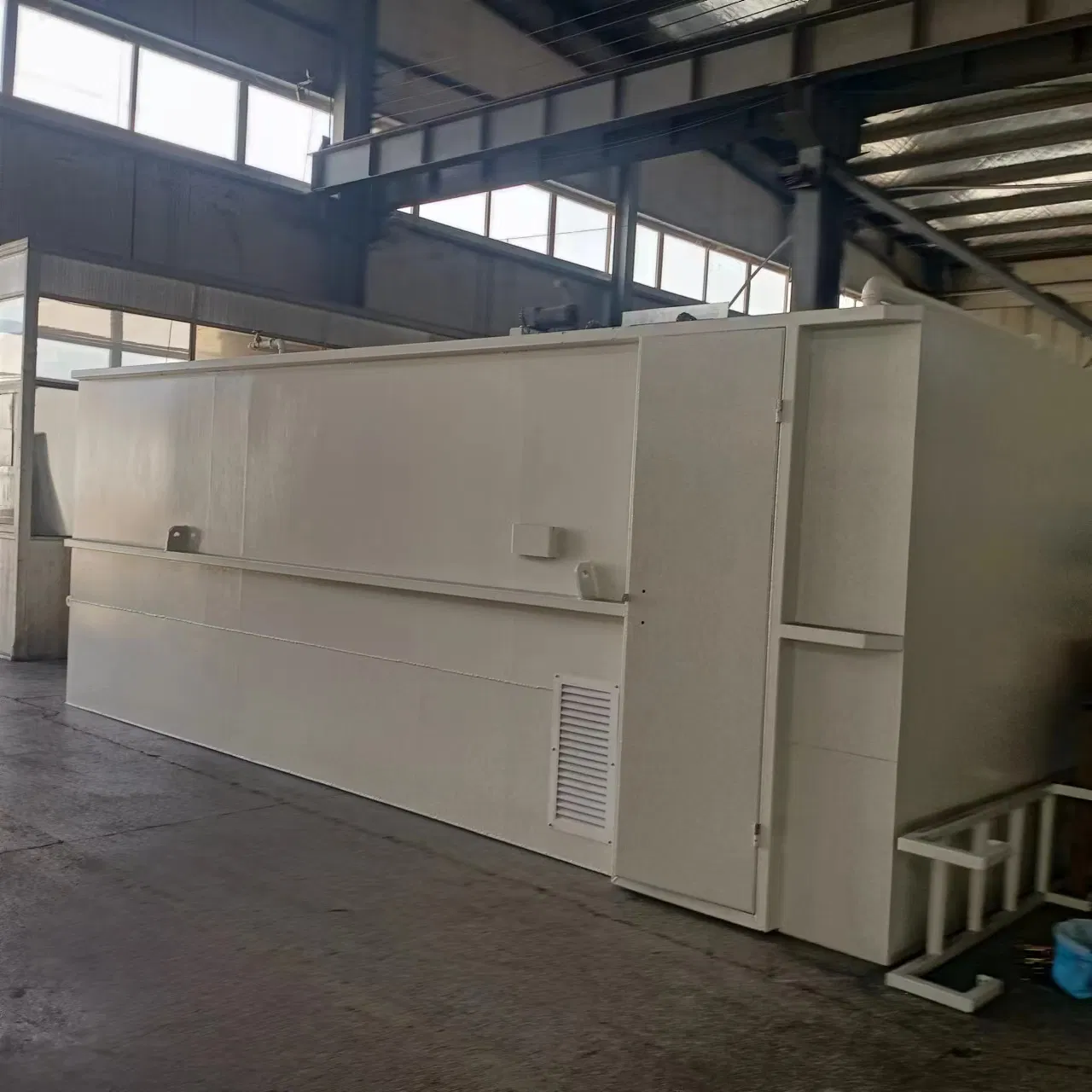
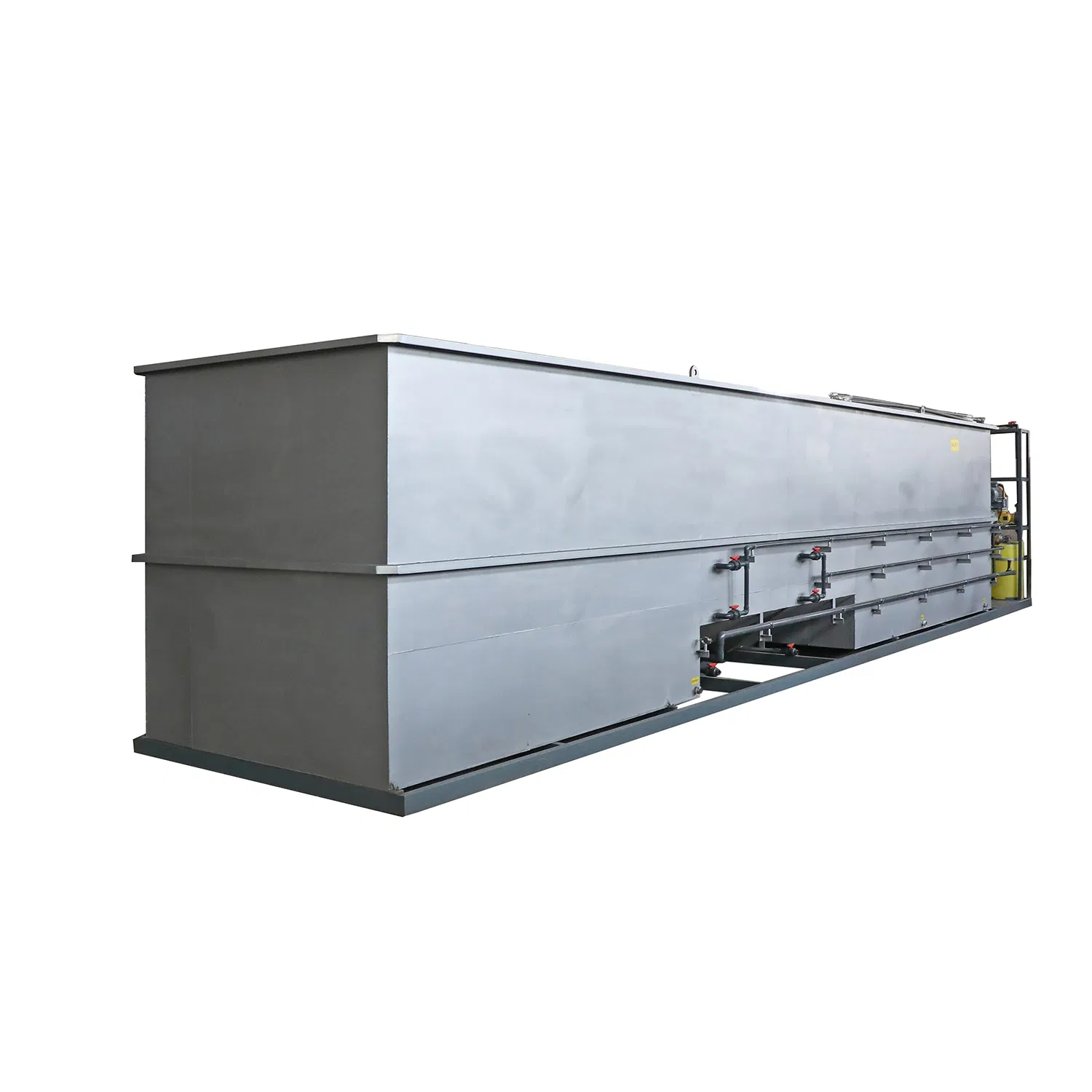
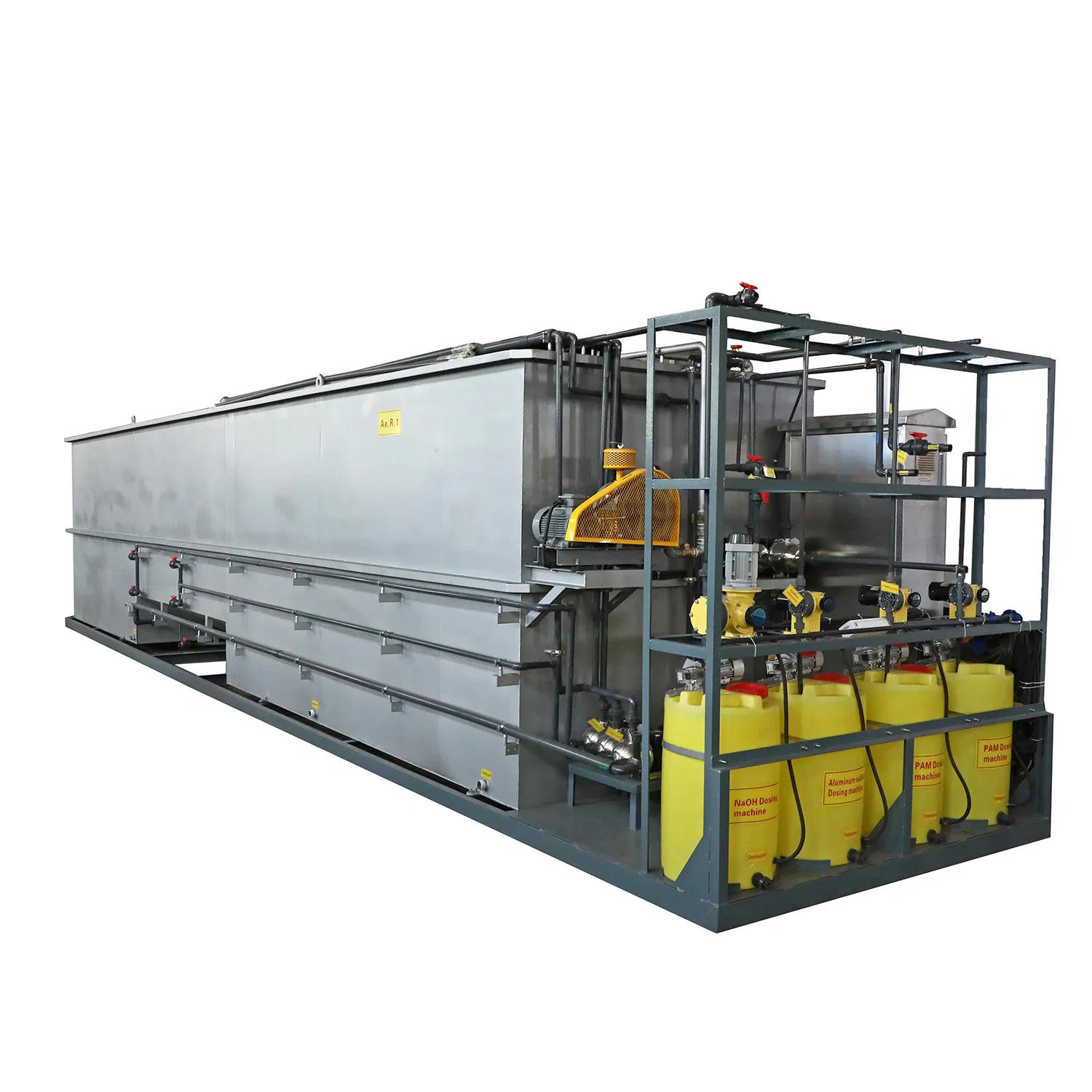
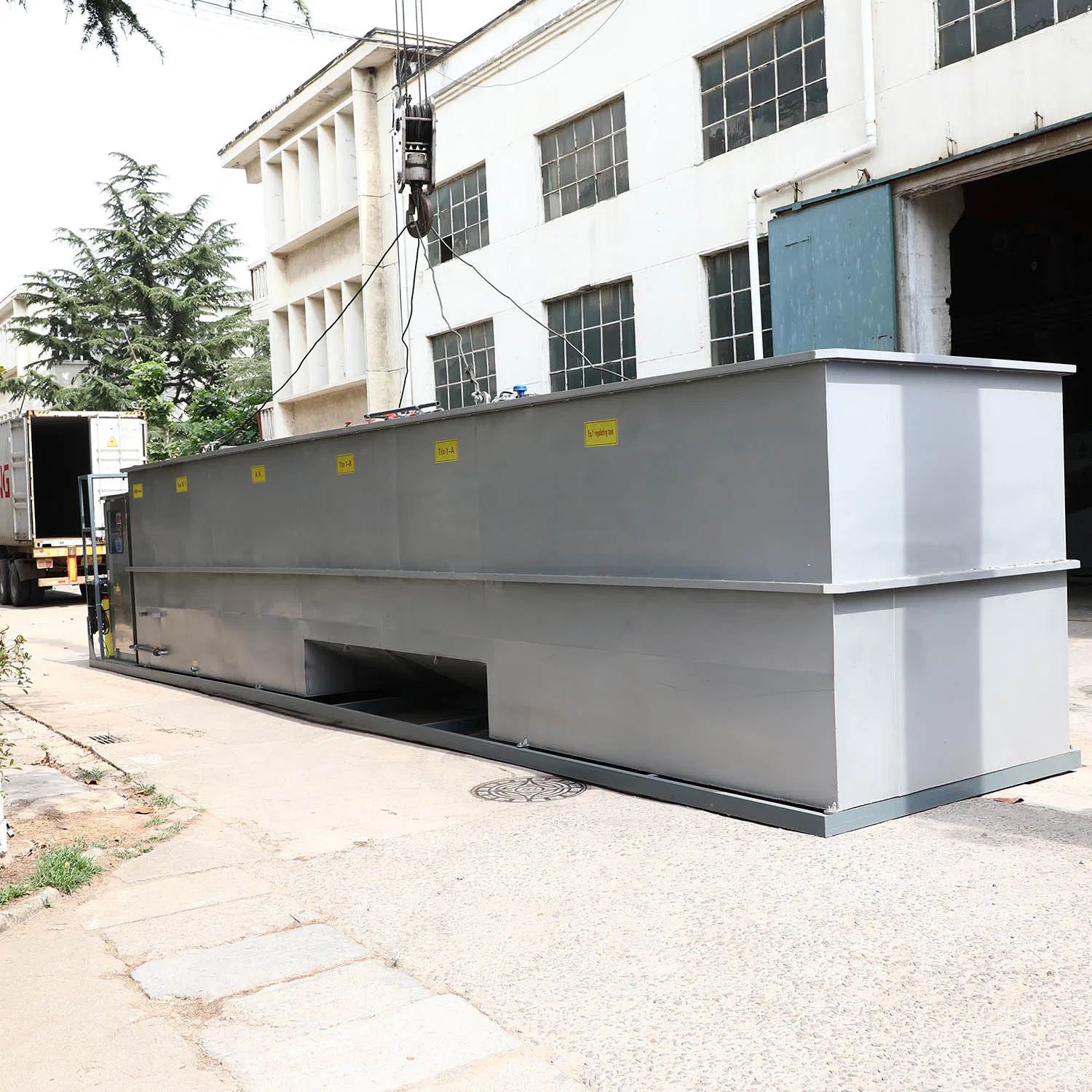
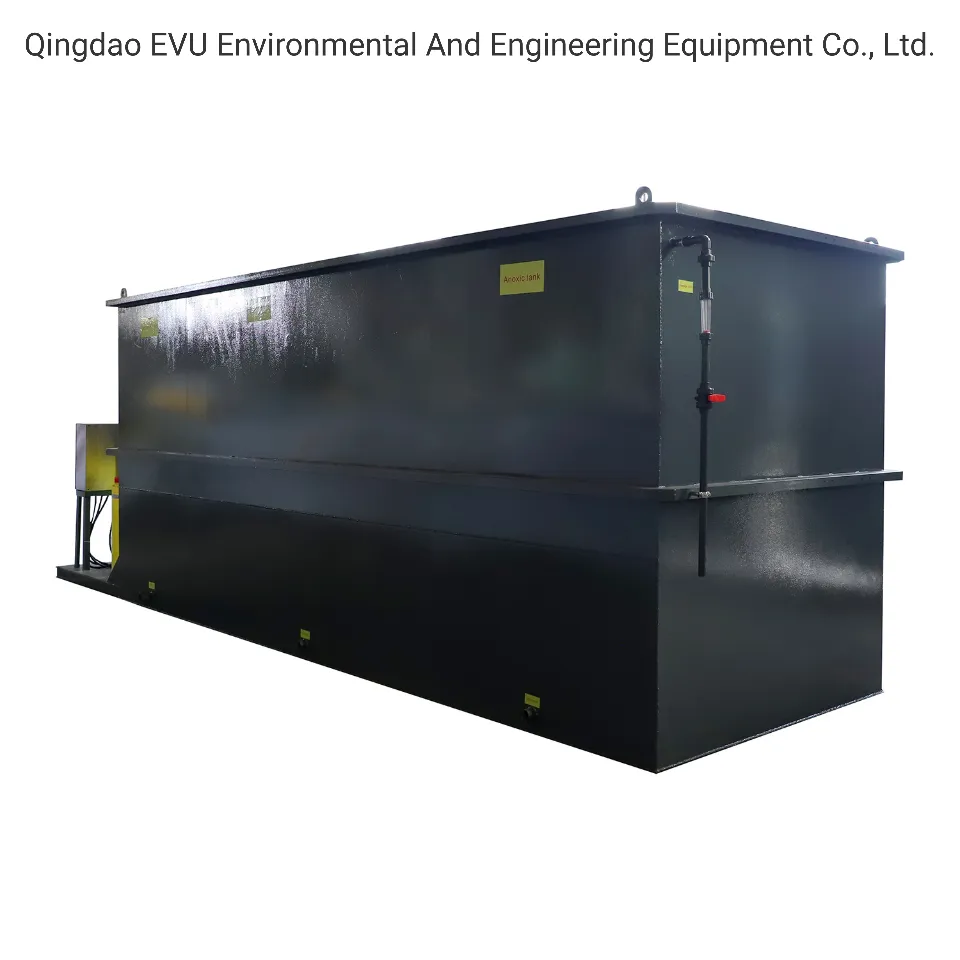
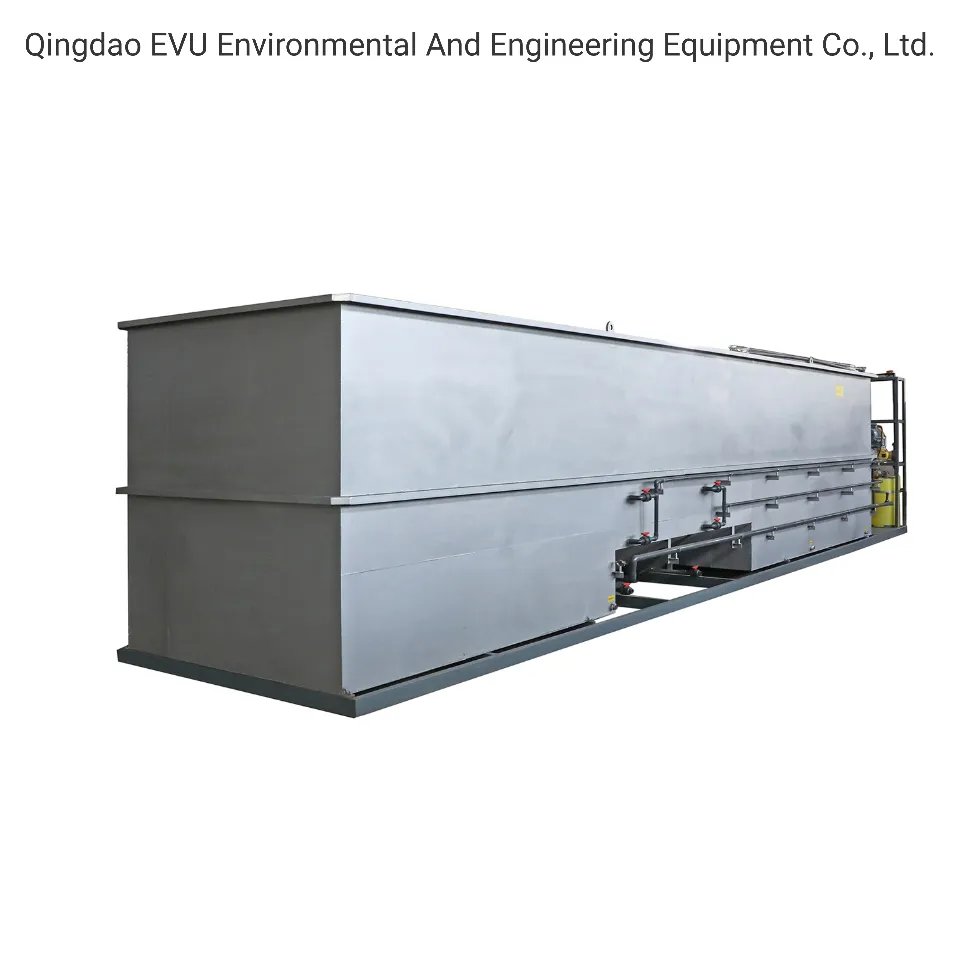
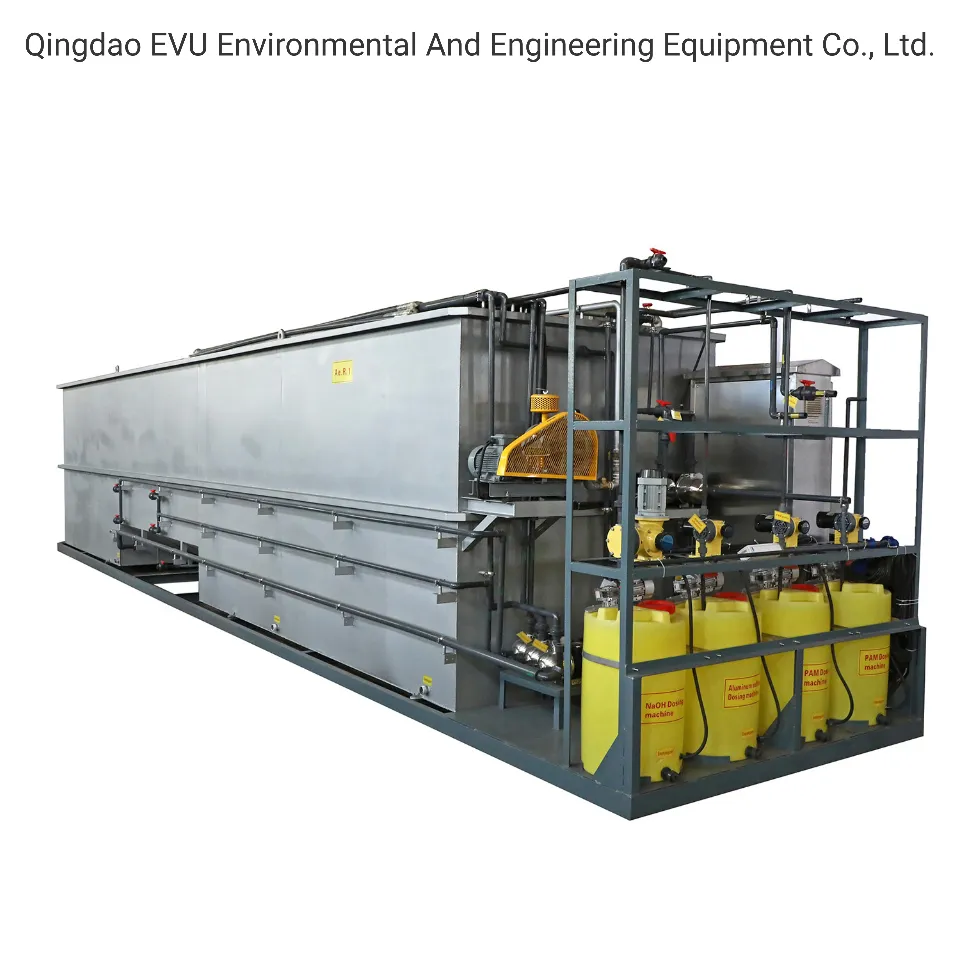
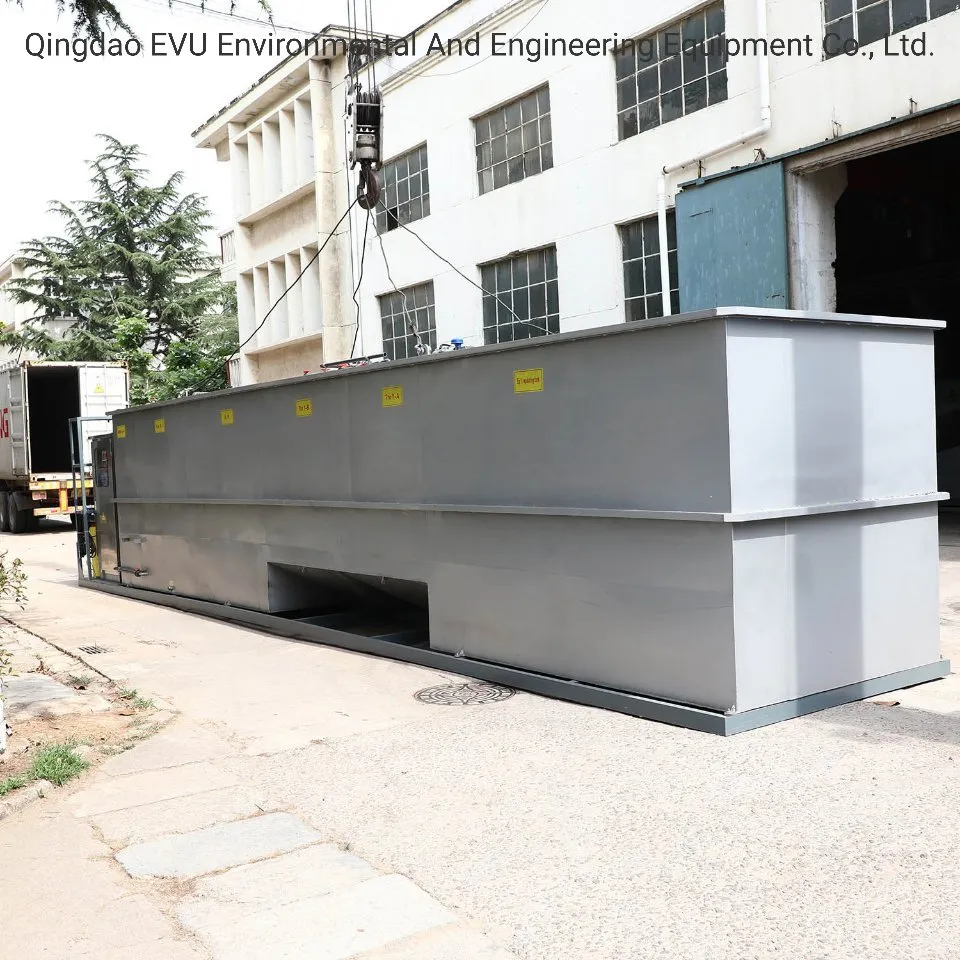
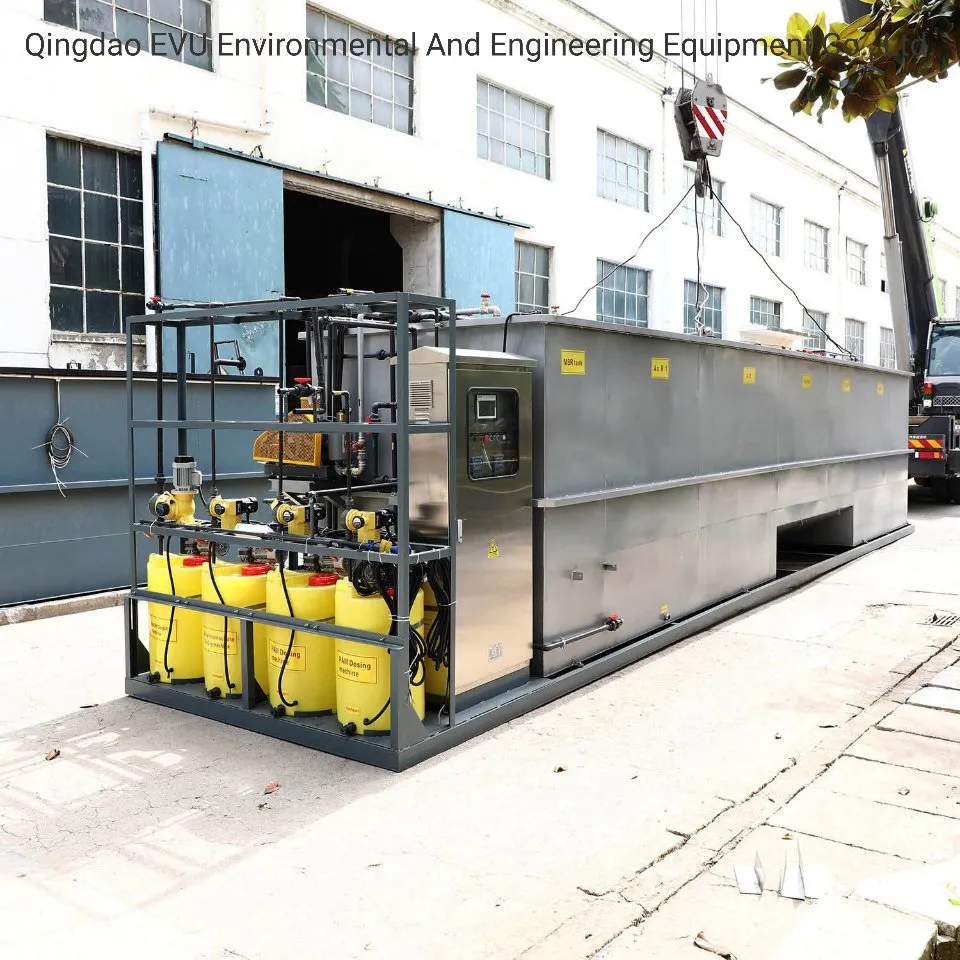
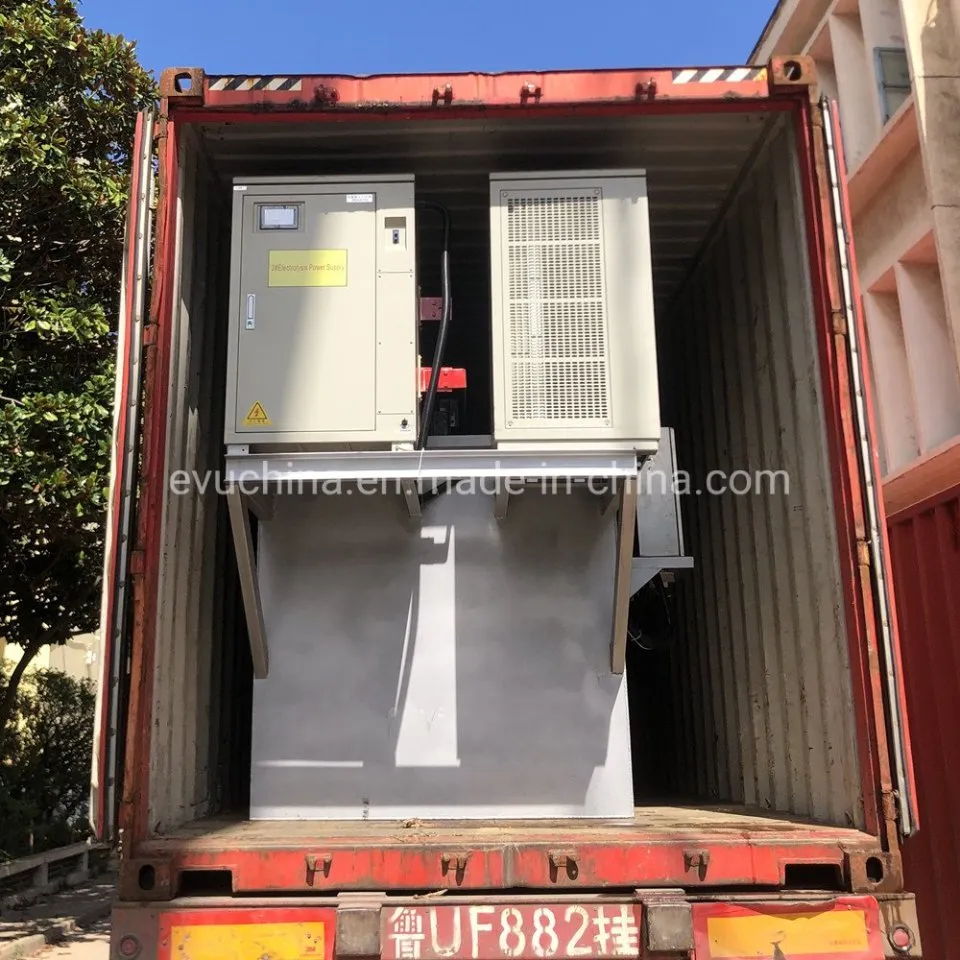
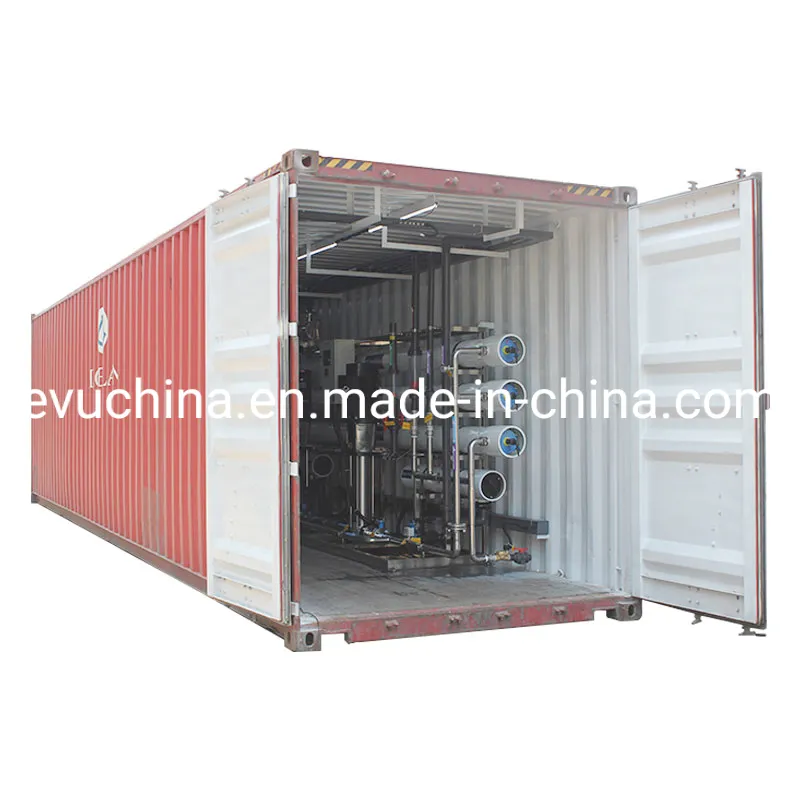
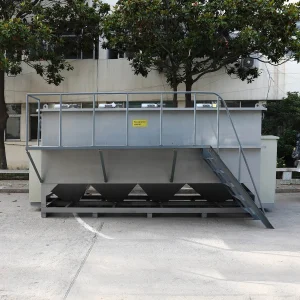
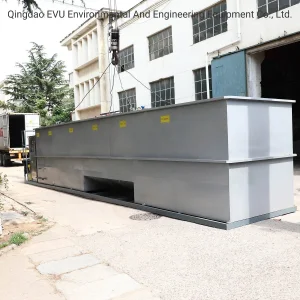
Containerized Sewage Treatment Equipment & Domestic Waste Water Treatment Plant
Principle of Work:
The integrated sewage treatment equipment eliminates organic matter pollutants and ammonia nitrogen mainly through the AO biological treatment craft. At the A-level, the microorganism is in an anoxic condition, decomposing organic nitrogen into NH3-N. Simultaneously, organic carbon acts as an electron donor to transform NO2-N and NH3-N into N2. In the O-level pond, organic matter density is further reduced through oxygenolysis. The establishment of a low-load biological contact oxidation pond allows good oxygen microorganisms and nitrifying bacteria to decompose organic matter into CO2 and H2O, effectively removing denitrogenation pollution.
Performance Features:
- Advanced biological treatment processes removing BOD5, COD, and NH3-N with stable performance.
- Compact footprint; equipment can be embedded in the ground, allowing surface use for greenery.
- Utilizes plug-flow biological contact oxidation, superior to completely mixed systems.
- Excellent resistance to shock loading with no sludge bulking.
- New flexible three-dimensional packing increases oxygen solubility and microbial film adhesion.
- Low sludge production, requiring removal only once every 90 days.
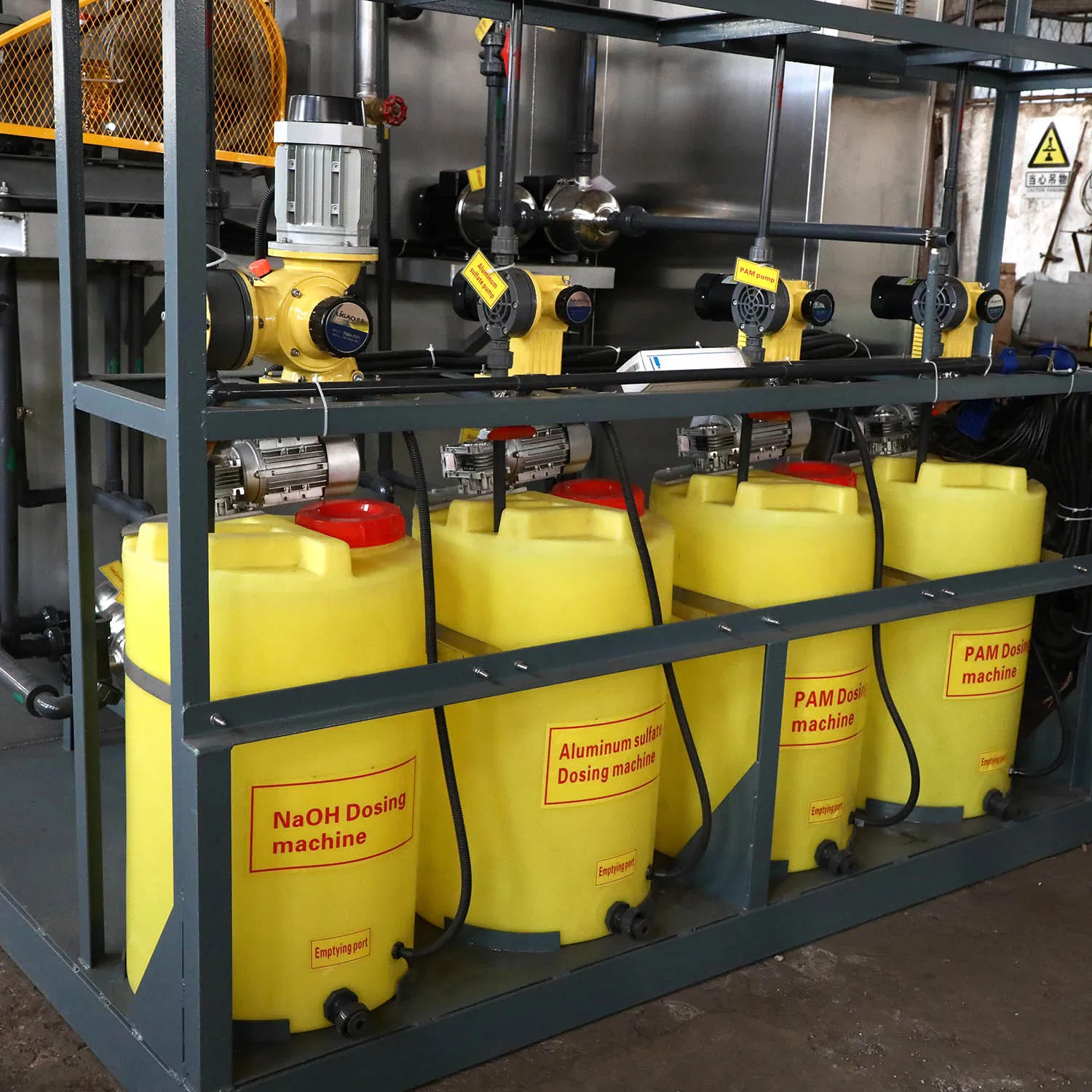
- Equipped with soil deodorization measures and automatic control systems with failure alarms.
Applications:
Hotels, restaurants, nursing homes, hospitals, residential areas, villages, stations, airports, ports, terminals, ships, factories, mines, tourist spots, landscapes, and various industrial organic wastewater treatment.
❓
Frequently Asked Questions
What is the main treatment process used?
The equipment uses an advanced AO (Anoxic-Oxic) biological contact oxidation process to remove BOD5, COD, and NH3-N effectively.
Can the equipment be installed underground?
Yes, the equipment is designed to be embedded in the ground. The surface area above can be used for landscaping or greenery.
How much maintenance is required?
The system is highly automated and features an alarm system for failures. Sludge removal is only required approximately every 90 days.
Does the treatment process produce odors?
In addition to conventional high-altitude exhaust, the system includes specialized soil deodorization measures to minimize odors.
What materials are used for construction?
The equipment is typically constructed using durable Carbon Steel, Stainless Steel, or FRP (Fiber Reinforced Plastic) with epoxy painting for corrosion resistance.
 Lenavax Nutrition