iBasic Information
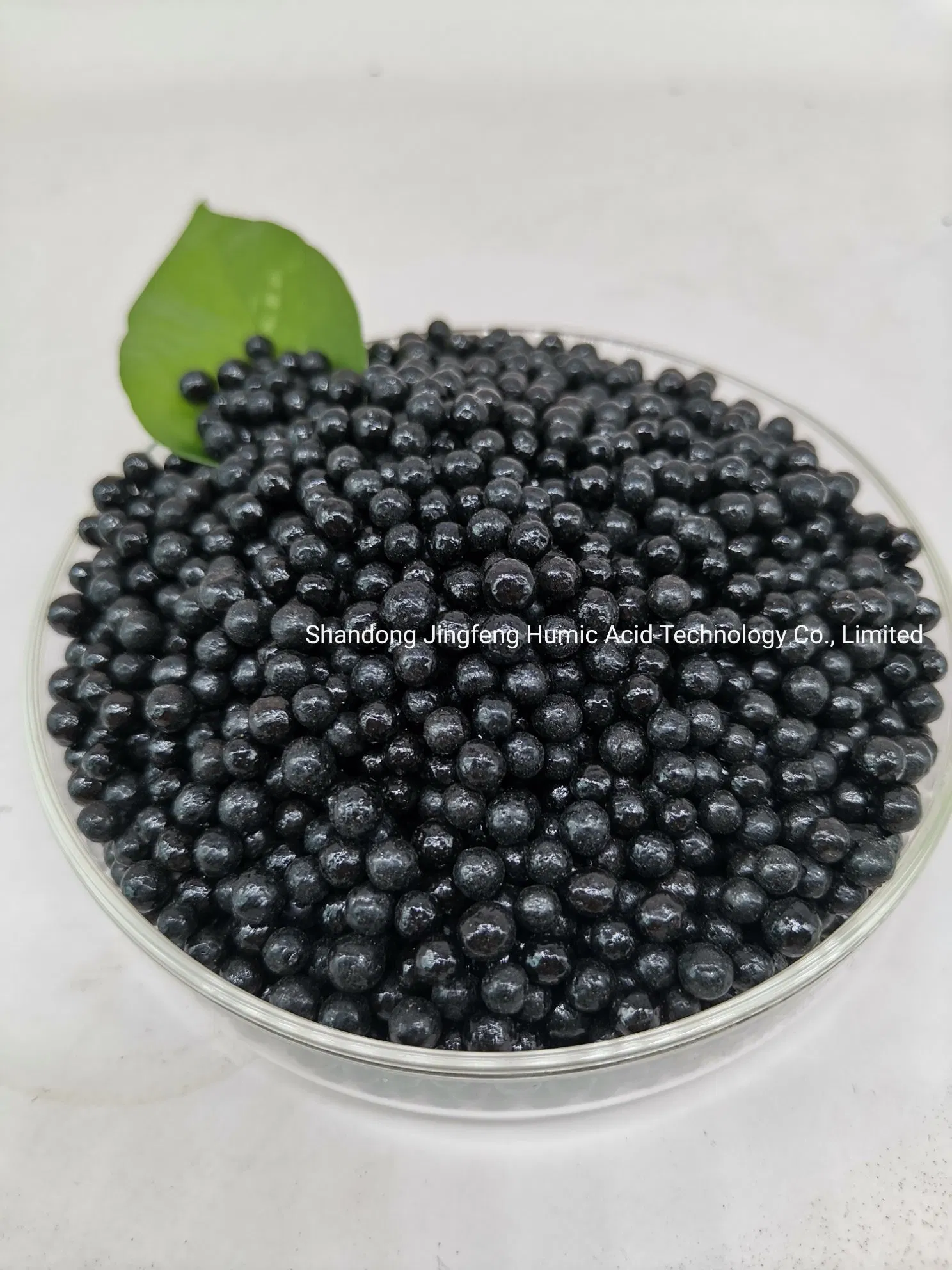
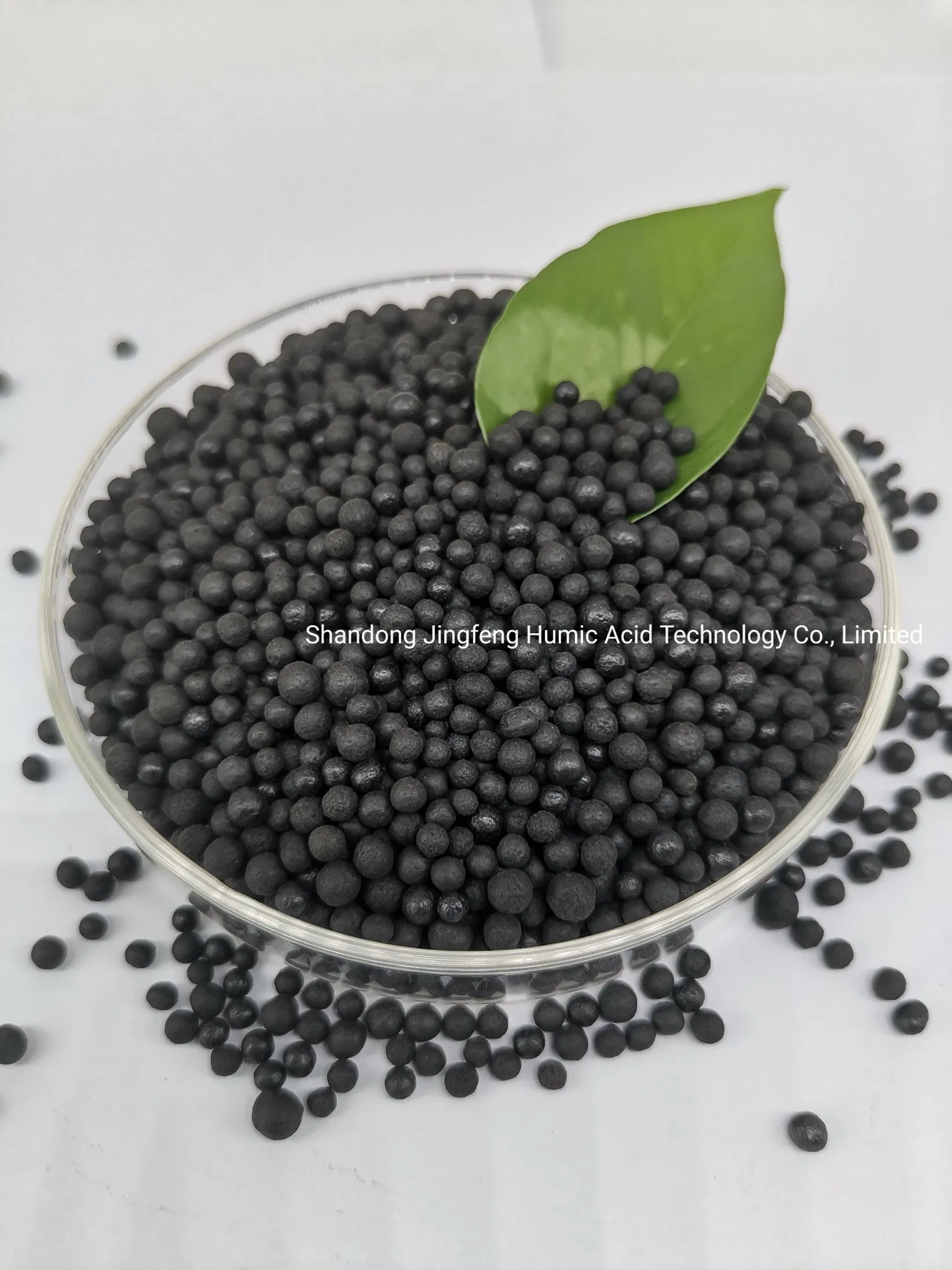
Model NO.JFHA-NPKHA-G
ApplicationVegetables, Flowers, Fruit, Plant Growth Stimulator
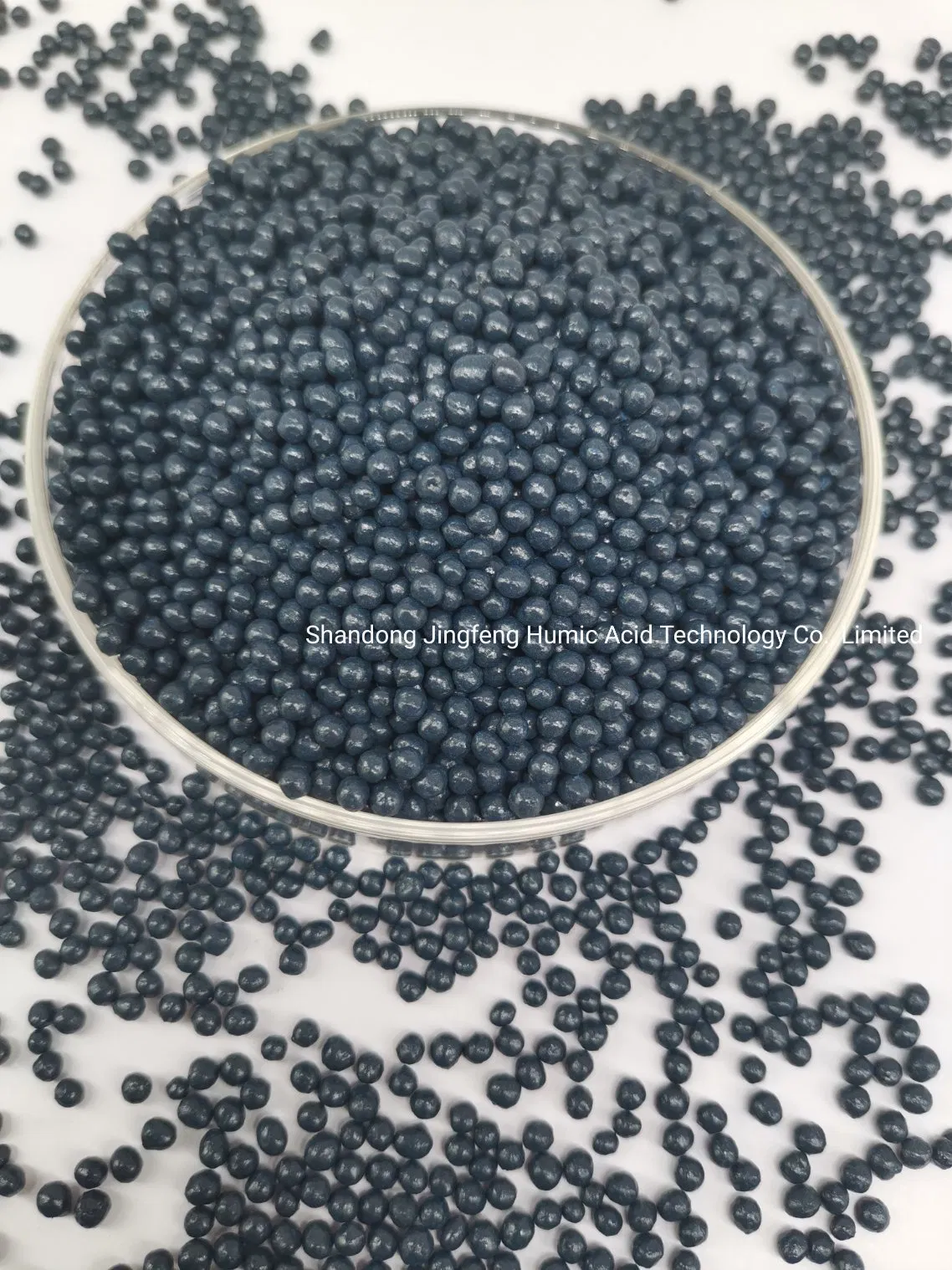
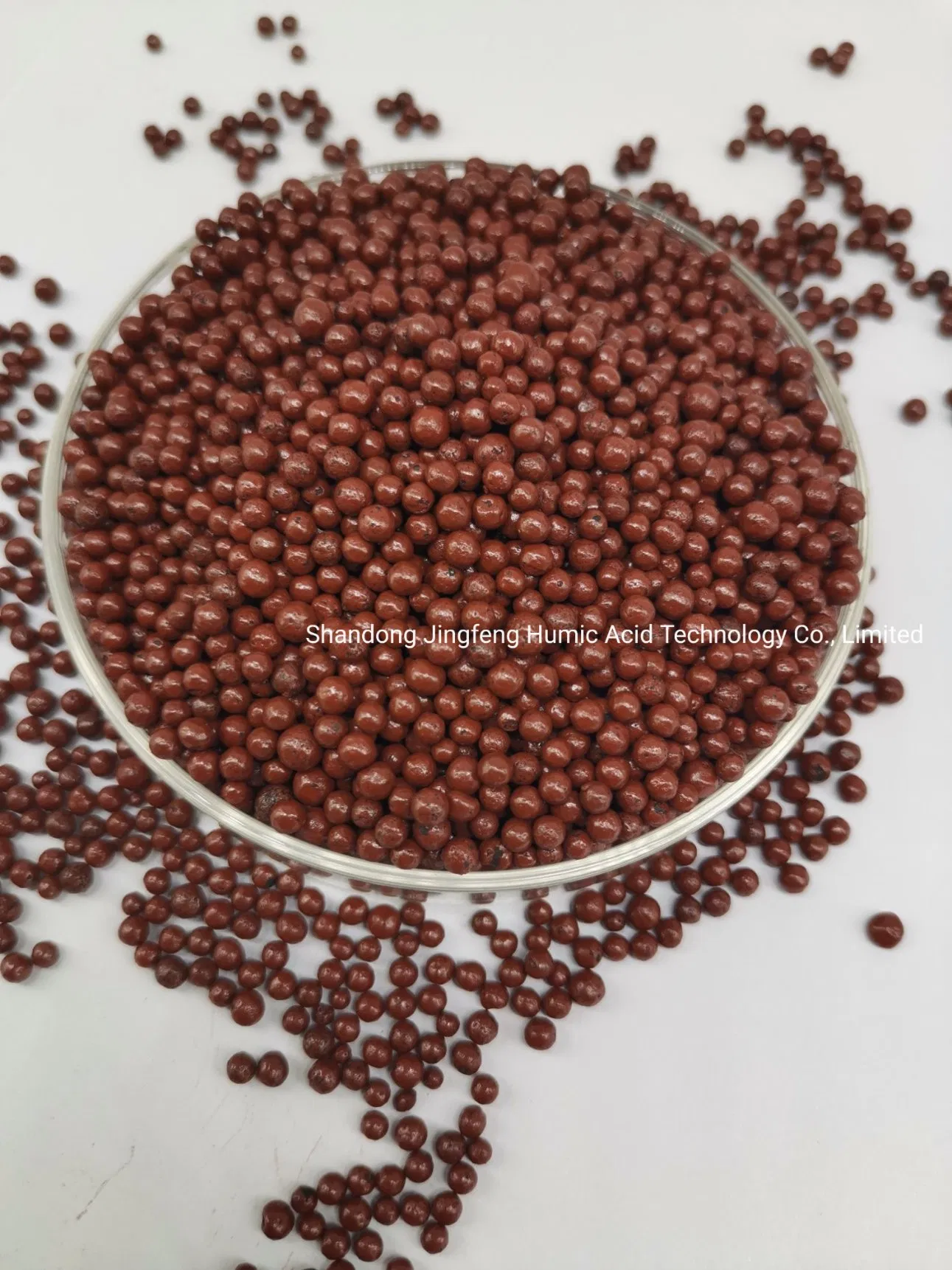
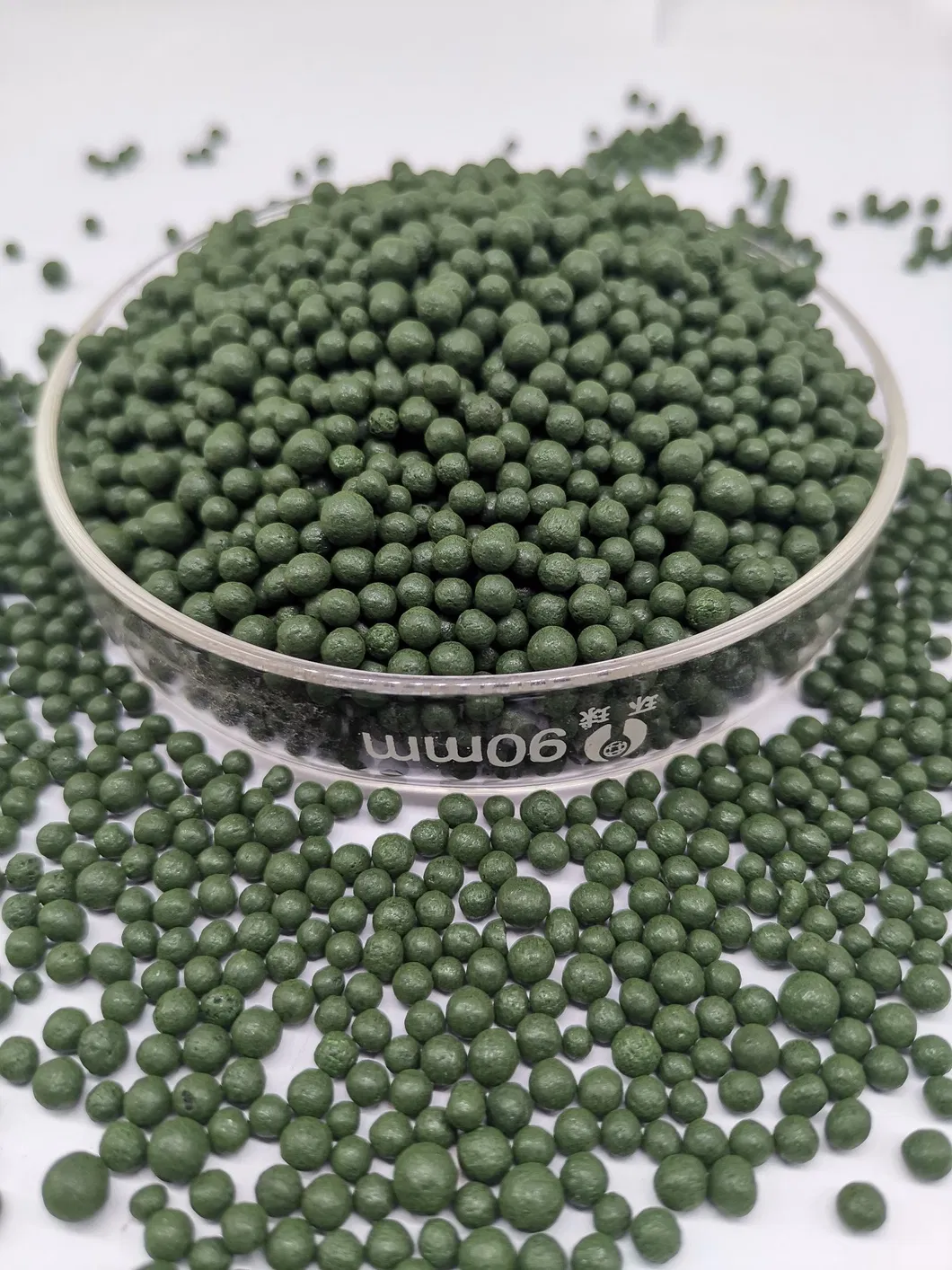
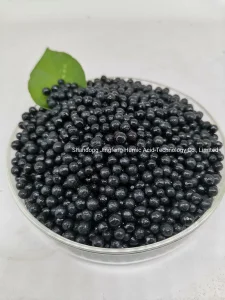
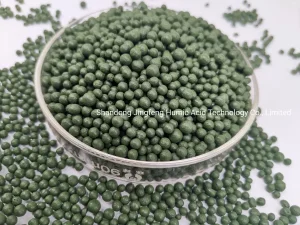
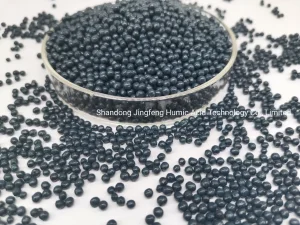
StateGranular
ValiditySlow-acting
Physics StateSolid
Raw MaterialLeonardite and Lignite Extract
Humic Acid15%/50%/60%
Organic Matter70%/80%/85%
pH3.0-6.0
Size2-4mm / 2-6mm
★Product Description
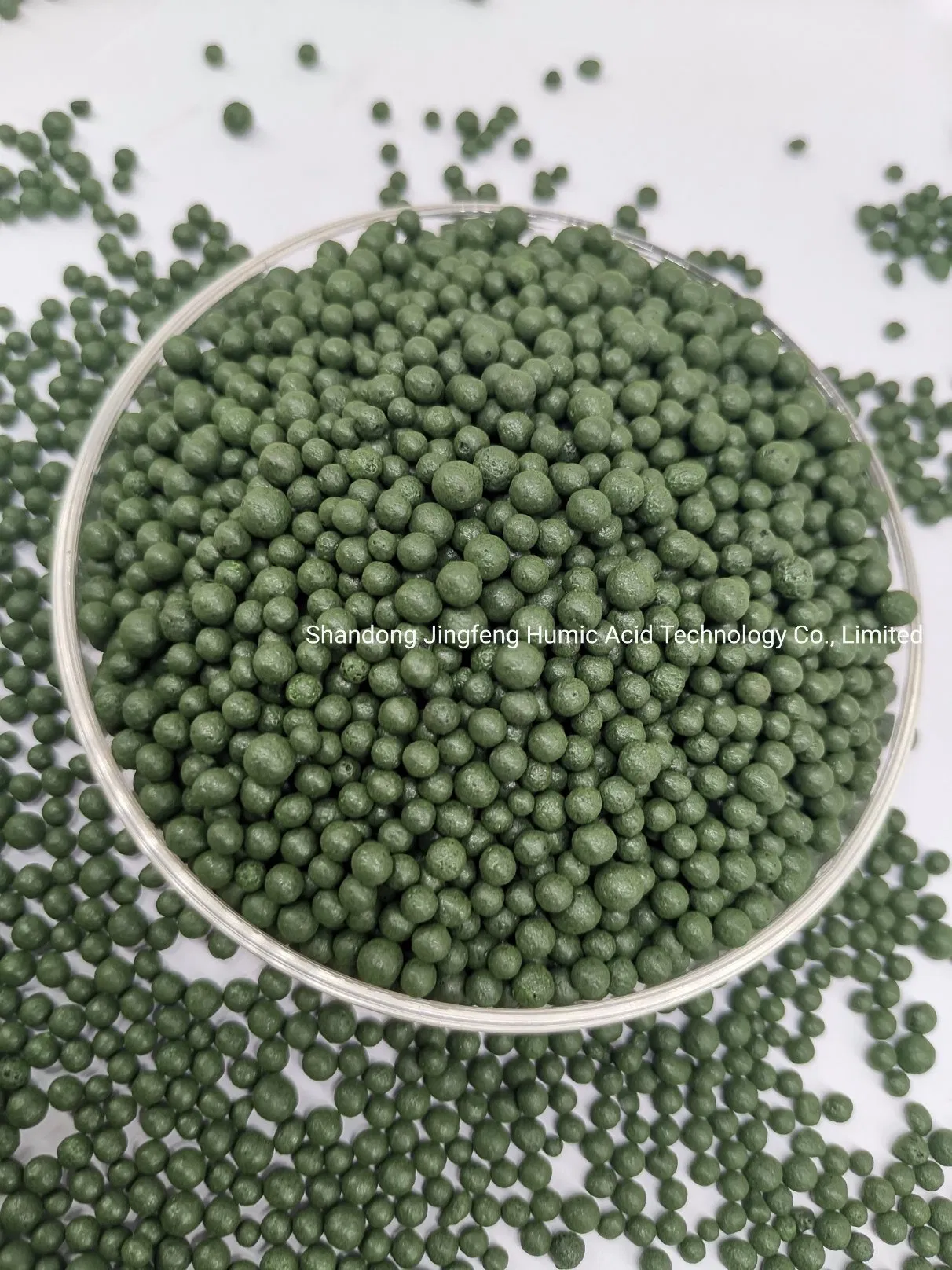
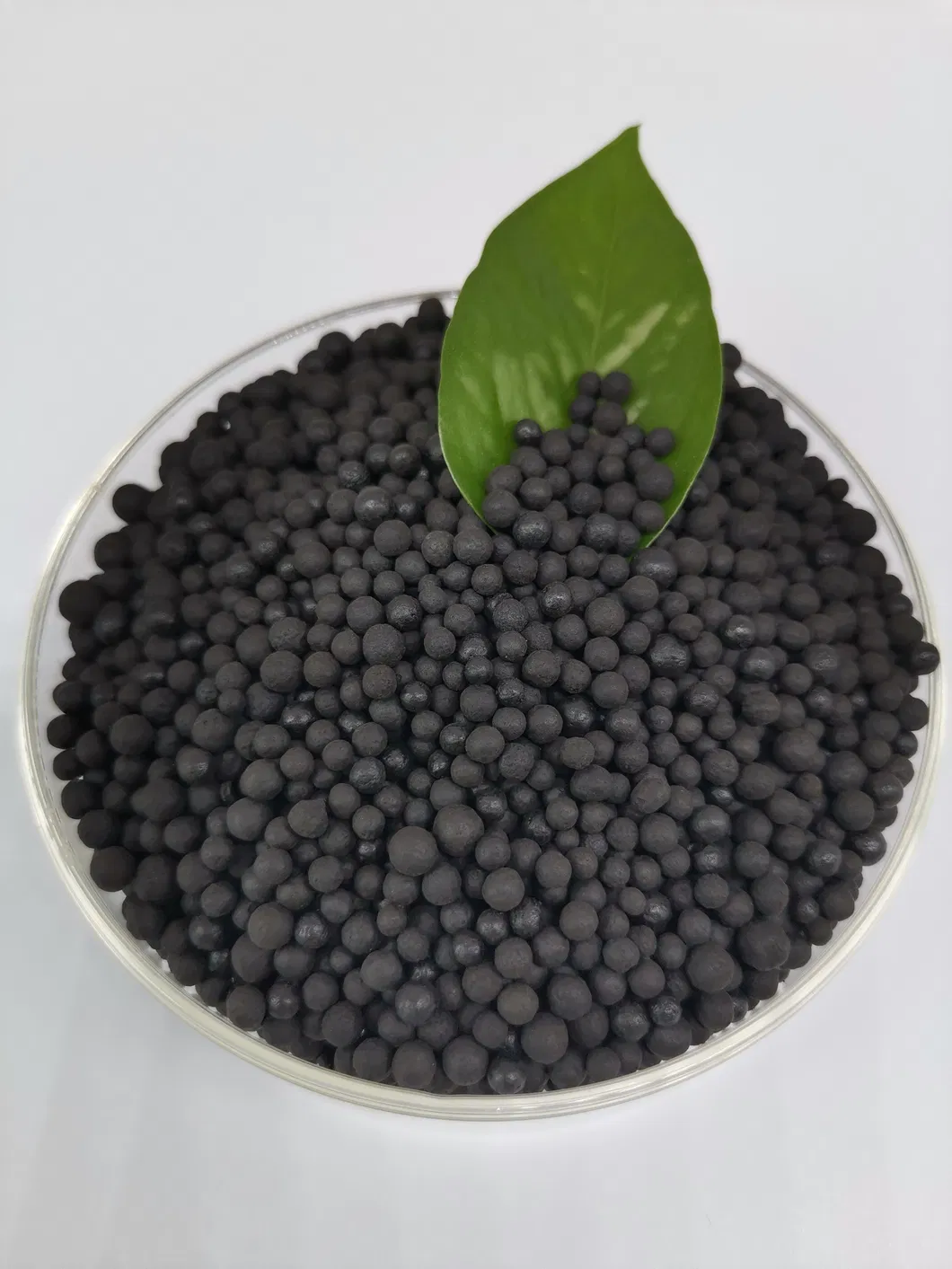
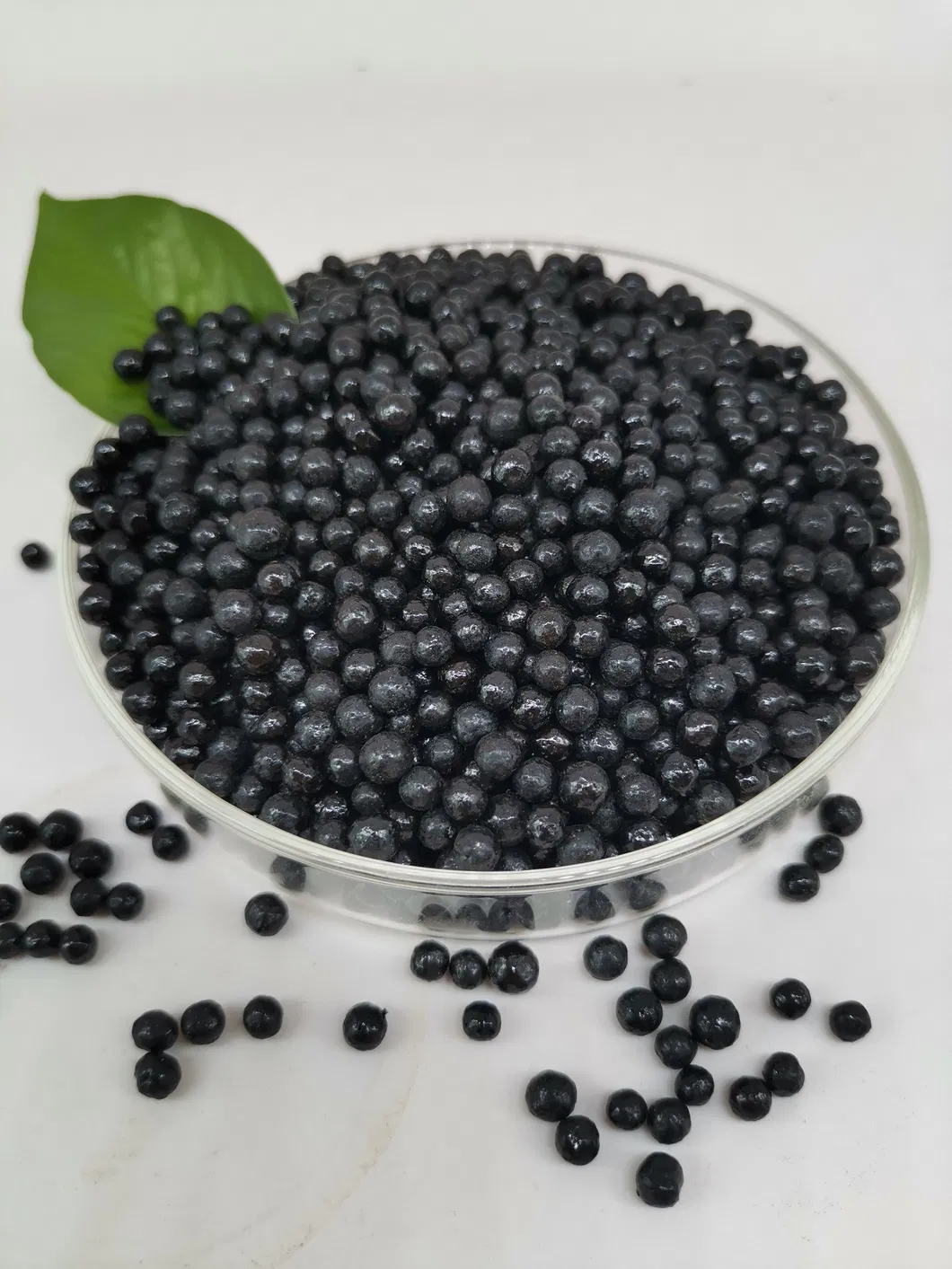
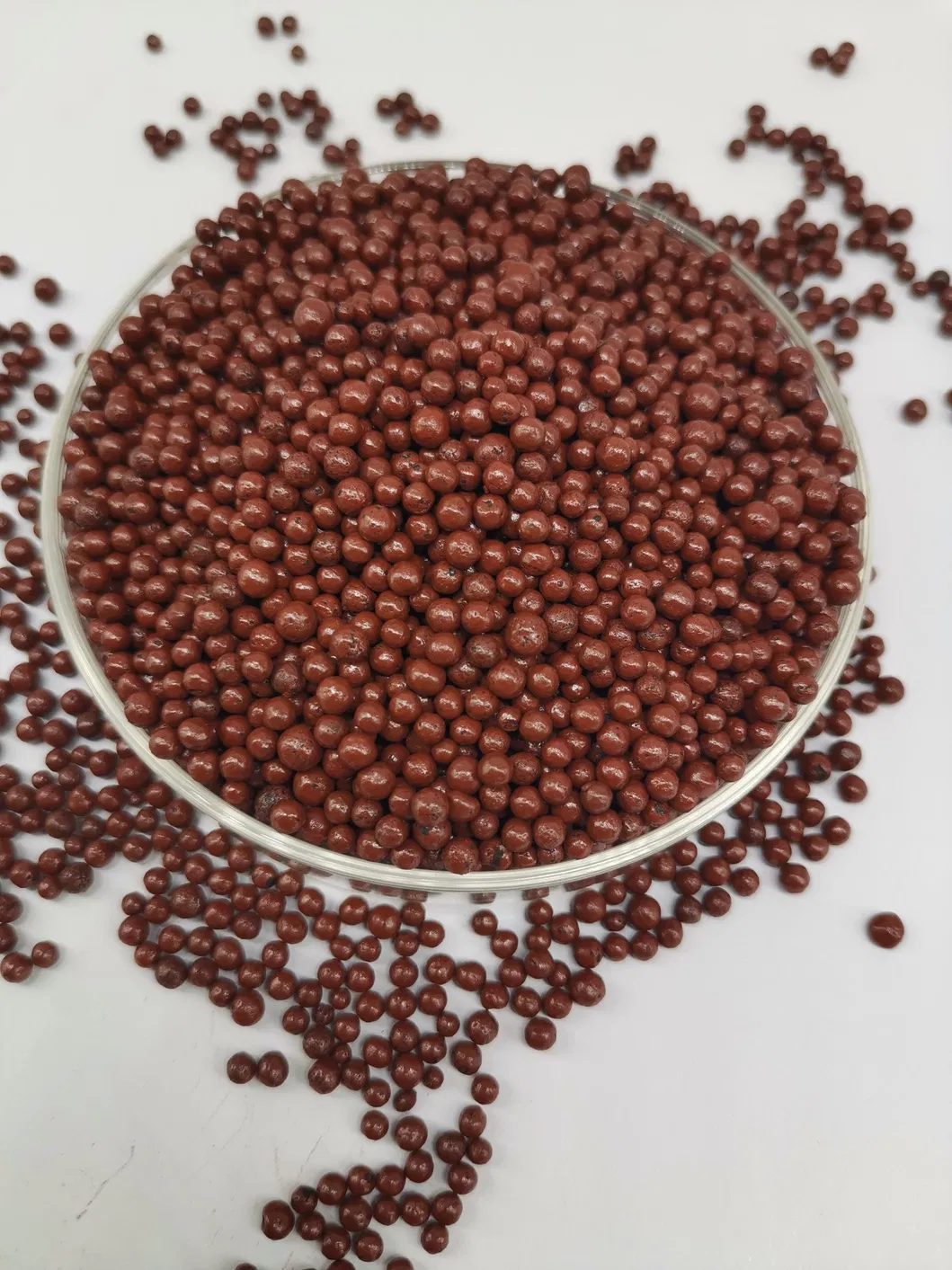
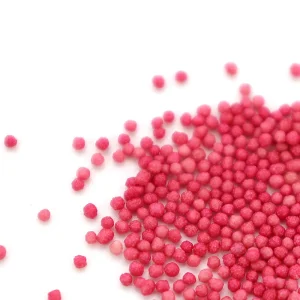
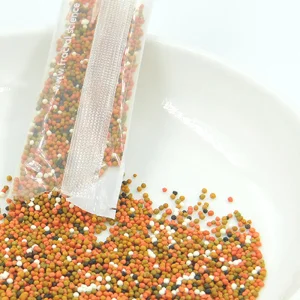
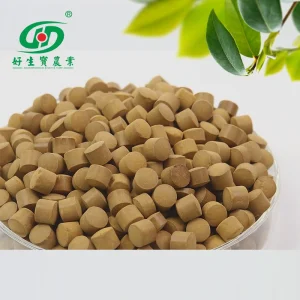
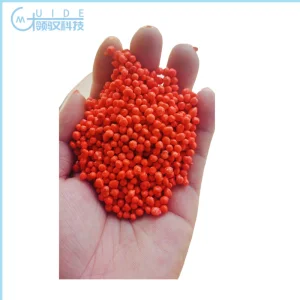
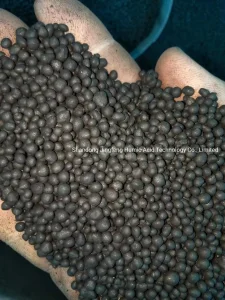
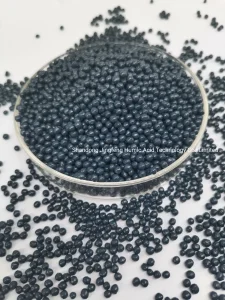
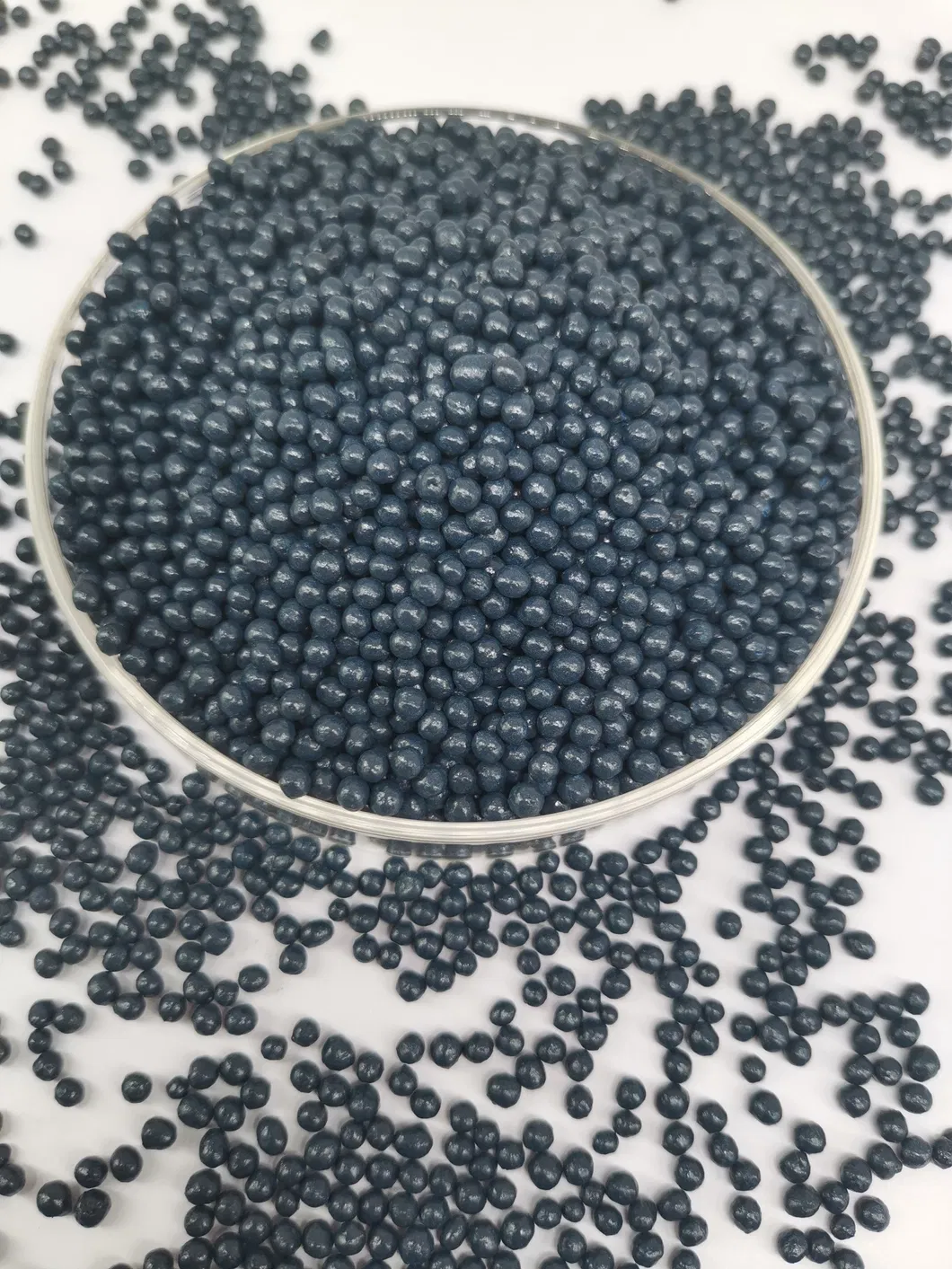
Insoluble Humic Acid Round Granule Prill. Humic acid is formed by microbial degradation of dead biological substances, specifically from Leonardite. It consists of three main parts: humic acid (HA), fulvic acid (FA), and humin (HM). Our products include humic acid powder, granular humic acid, and humic acid crystals.
- Suitable for field crops and organic farming.
- Ideal for horticultural plants, landscape, and gardens.
- Enhances crop yield and root development.
- Slow and controlled release fertilizer properties.
- Contains more than 12 kinds of nutrients including NPK, Organic Matter, and Trace Elements (Ca, Mg, S, Zn, Fe, Cu).
🏢Manufacturer Profile
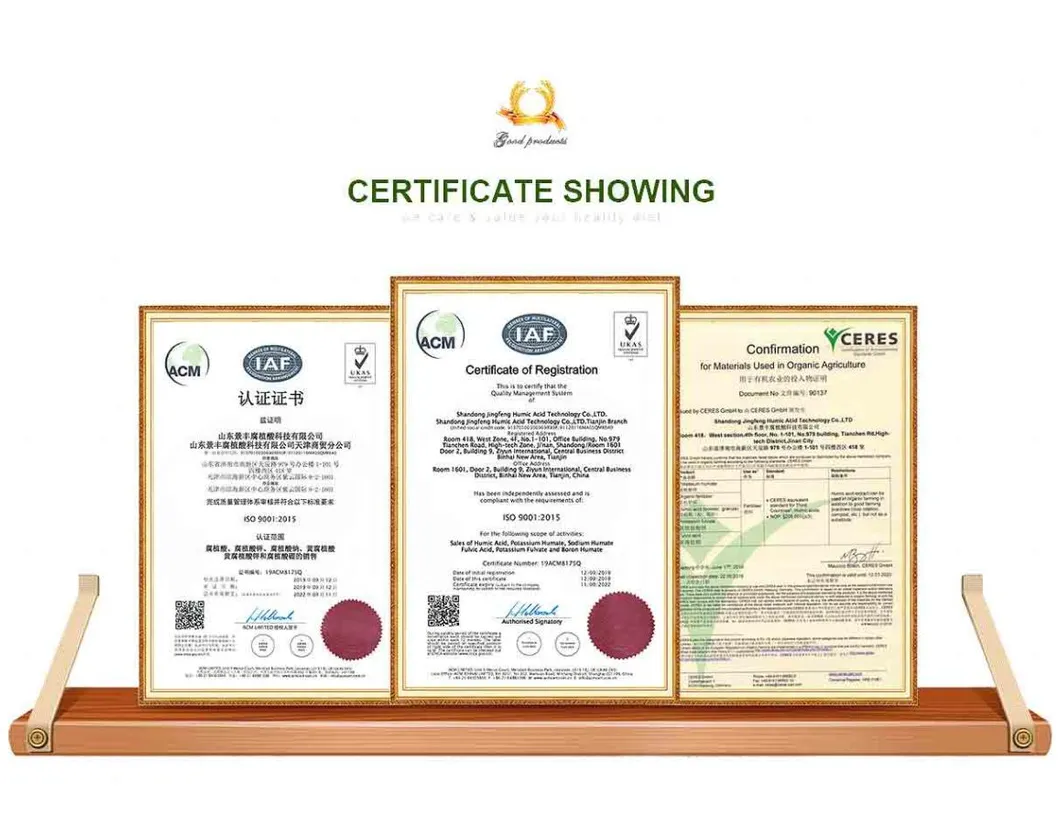
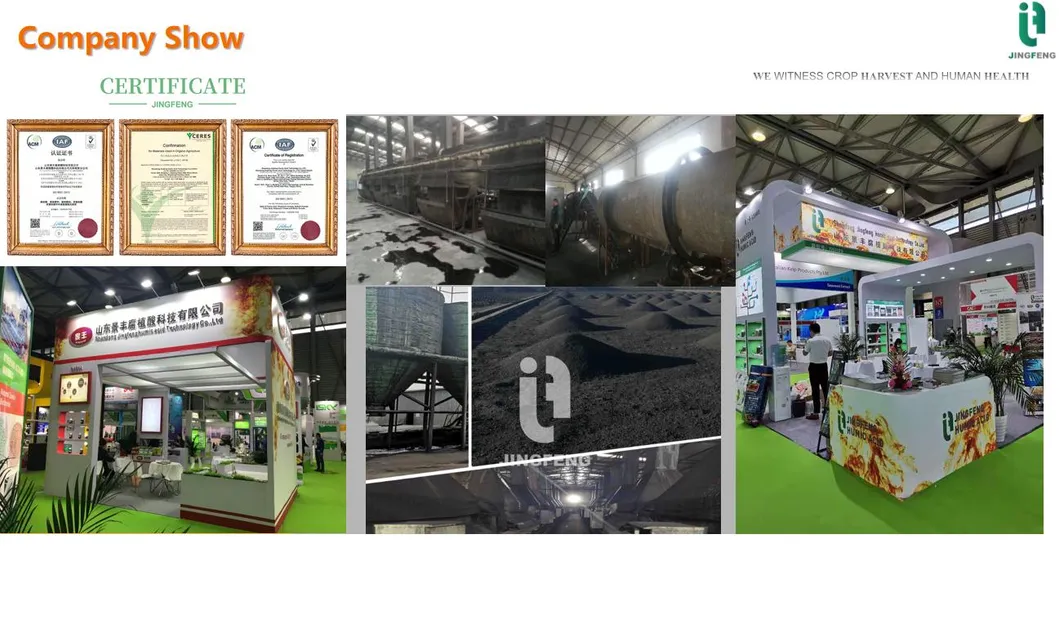
The manufacturer focuses on green agriculture and human health, committed to humic acid product development, production, and sales. We have achieved remarkable results in the application of agricultural, feed farming, and pharmaceutical-grade humic acid series.
Main Product Lines: Humic acid base fertilizer NPK, fulvic acid foliage, sodium humate feed grade, and over 30 other specialized products exported to Europe, America, Japan, and Southeast Asia.

?FAQ
What is humic acid?
Humic acid is a complex mixture of organic matter created through microbial decomposition and transformation of animal and plant remains (mainly plants). It is a key component of humus and is essential for soil fertility.
How does humic acid improve soil structure?
In light or sandy soils, it helps retain water and nutrients. In heavy, compact soils, it works with fungi to create a crumb structure that improves oxygen and nutrient intake for roots.
What are the primary functions of humic acids in agriculture?
Primary functions include adjusting soil pH, stimulating plant growth, increasing yield and quality, reducing nitrate leaching into groundwater, and enhancing the effectiveness of pesticides and fungicides.
What is potassium humate?
Potassium humate is a salt of humic acid produced by treating leonardite or lignite with an alkaline substance like potassium hydroxide (KOH). It is highly effective as a plant stimulant and soil conditioner.
What is the manufacturing process for high-purity humate?
The process involves selecting raw leonardite, natural oxidation for 3+ months, crushing, chemical reaction with alkaline at high pressure, sedimentation to remove impurities, centrifugal filtering, and finally drying into flake, powder, or crystal forms.
Can humic acid granules be used with NPK fertilizers?
Yes, humic acid has a synergistic effect on NPK fertilizers by promoting the absorption of Nitrogen, Phosphorus, and Potassium by crops, thereby increasing the utilization rate of the fertilizer.